
“All PR is good PR.” This is a statement one of my earlier PR bosses used to scream across the office, and even back then as a bright-eyed and optimistic 22-year-old, I wholeheartedly disagreed. Of course, we can argue that any PR is in fact publicity in the very sense of the word, but when PR negatively impacts your brand, it is not good (period).
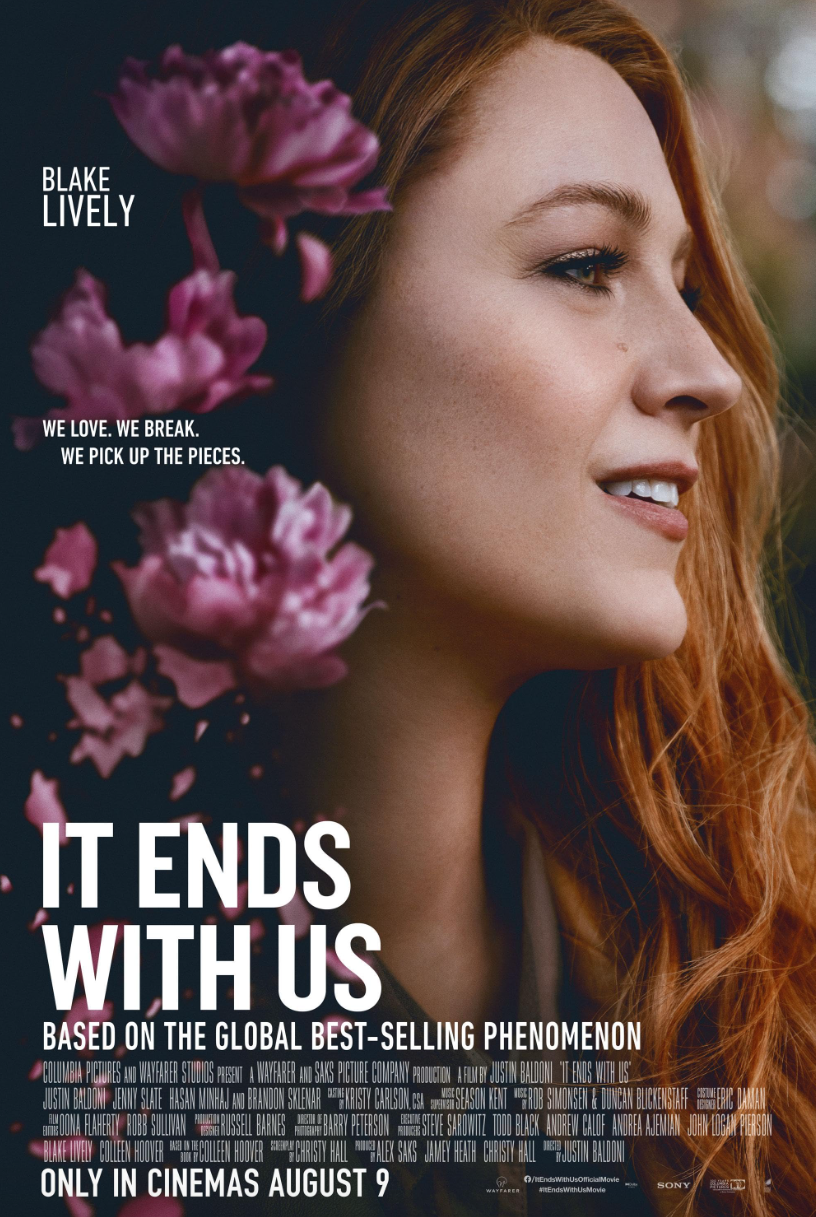
The perfect example is the Blake Lively, Justin Baldoni and It Ends With Us saga. As a PR professional, watching this unfold has been fascinating. It proves that the story behind the product/brand really can generate viral publicity. But it’s also a textbook example of what happens when the sentiment behind the campaign is completely off.
So, what went wrong?
In my opinion, Blake Lively’s PR/marketing campaign for the movie could have been flawless, if it were not for one thing – the themes of domestic violence. Had the movie just been a true Rom Com or love story, the way they executed it, was perfect. Blake’s designer floral outfits, pop-ups inviting fans to recreations of Lily’s shop, an exclusive AR experience, the launch of her haircare line Blake Brown, her drinks brand collaborating on “Betty Blooms” events (and several cross promotional events for both of her brands). But Blake and her team blatantly ignored the darker themes of the film. Instead, they chose a strategy that was seemingly trying to emulate the Barbenheimer campaign. Blake’s husband Ryan released his Deadpool & Wolverine film two weeks prior to the It Ends with Us premiere and Blake even told fans to “Grab your friends. Wear your florals.”
Eeeek. The disconnect between the film’s serious themes and Blake’s approach has contributed to a backlash that completely overshadows her efforts. All those clever marketing and PR tactics come across as tone deaf. As does Blake herself whose cutesy, sarcastic and irreverent responses to questions about domestic violence are going down like a lead balloon. Many people (myself included) feel as though she has been trivialising the film’s themes, undermining the intended message and alienating audiences sensitive to the topic.
Meanwhile, the reported rift between Blake and her director/co-star Justin Baldoni continued to play out in front of our eyes. While we can’t ever truly know what went on behind the scenes, Justin’s promotional tour has seen him eloquently address concerns about the film’s portrayal of domestic violence, respond to criticism that it romanticises such themes and maintained a focus on the film’s relevance to real-world issues. He has also actively raised awareness by partnering with No More, (a non-profit organisation dedicated to combating domestic abuse) and linked to their resources on his social media profiles.
This is a stark contrast to Blake’s jovial promotional style which blatantly avoided questions about the darker themes and focused instead on the fashion. Overall, her approach has not resonated well with audiences (myself included, who before all of this, LOVED Blake).
Justin has now hired a crisis PR firm (which to me, says there is so much more to the story), and Blake and Ryan’s PR team are now doing damage control. A quick search of Ryan Reynolds brings up several stories relating to an interview he did about his father.
So back to the statement “all PR is good PR.” Is this PR great for the movie? YES. It has kept the film in the headlines for weeks and it has ultimately performed exceptionally well at the box office (grossing around $80 million against a production budget of $25 million). This success is phenomenal, especially given that the film has received mixed reviews (like a Rotten Tomatoes score of 58%).
But is this good for Blake’s personal brand? NO. In fact, it’s having an impact on her business ventures, with recent reports stating that people are returning products from Blake’s haircare line. The controversy has fuelled an overall negative sentiment towards her, leading to some consumers distancing themselves from her brands.
Is it good for Justin’s personal brand? Well, the fact that he’s hired a crisis PR firm speaks volumes.
This whole saga illustrates that while celebrity influence can boost a brand, negative publicity can just as easily undermine it. It highlights how a misjudged approach can have far-reaching consequences, affecting both personal brand and business ventures. It also shows how fast paced the digital space works in a crisis (as the lovely Sally Branson pointed out) and to me, and proves that not “all PR is good PR.”
What do you think?